Finance

Supreme Court rejects Missouri attorney general bid to stop Trump’s hush money sentencing

The U.S. Supreme Court rejected a last-ditch effort by the Missouri Attorney General to sue New York
21.9K
Supreme Court rejects Missouri attorney general bid to stop Trump’s hush money sentencing

Supreme Court Rejects Missouri's Bid to Halt Trump's Sentencing

In a significant legal development, the U.S. Supreme Court has rejected a last-ditch effort by the Missouri Attorney General to intervene in the sentencing of former President Donald Trump. The court's decision paves the way for Trump's scheduled sentencing on September 18th, following his conviction on 34 felony counts of falsifying business records.

Safeguarding the Judicial Process: A Decisive Ruling

Dismissing Missouri's Attempt to Interfere

The Supreme Court's ruling dismisses a lawsuit filed by Missouri Attorney General Andrew Bailey, who sought to delay Trump's sentencing until after the 2024 presidential election. Bailey had argued that the restrictions placed on Trump's ability to publicly attack prosecutors, court staff, and their family members violated the rights of Missouri voters to hear the former president's unfiltered rhetoric on the campaign trail.

Upholding the Integrity of the Judicial System

The court's decision to reject Bailey's "Hail Mary" effort underscores the importance of maintaining the independence and integrity of the judicial process, even in the face of high-profile political cases. The ruling sends a clear message that the Supreme Court will not allow political considerations to interfere with the administration of justice.

Dissenting Voices: Alito and Thomas

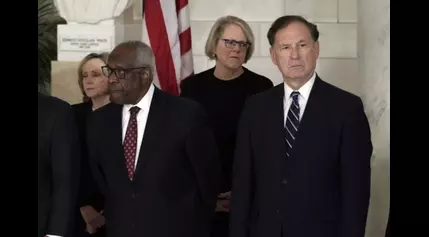
While the majority of the Supreme Court declined to grant the emergency relief sought by Bailey, Justices Samuel Alito and Clarence Thomas dissented, indicating that they would have allowed the lawsuit to proceed. This minority opinion highlights the ongoing debate within the court regarding the balance between judicial independence and political influence.

Implications for Trump's Sentencing

The Supreme Court's rejection of Missouri's attempt to intervene clears the way for Trump's sentencing on September 18th. The former president faces up to four years in prison on the charges, though he has asked the presiding judge, Juan Merchan, to overturn the verdict based on the Supreme Court's presidential immunity ruling, which Merchan is expected to rule on by September 6th.

Broader Consequences and Concerns

The court's decision also raises concerns about the potential for future attempts by political allies to interfere with ongoing legal proceedings involving high-profile individuals. The ruling underscores the need for a robust and impartial judicial system that can withstand such challenges and maintain public trust in the rule of law.

Reactions and Implications

The Supreme Court's ruling has been met with mixed reactions, with supporters of the former president decrying the decision as a political attack, while others have praised the court for upholding the integrity of the judicial process. The outcome of Trump's sentencing and any potential appeals will undoubtedly have far-reaching implications for the political landscape and the future of the American justice system.

Recommended Articles