In the face of escalating crude oil prices and intensified geopolitical tensions, particularly in critical shipping lanes, OPEC+ appears committed to its pre-established schedule of output increases. This strategy persists even as market dynamics suggest a need for more agile responses, given the recent surge in Brent crude prices past the 0 mark following incidents in the Red Sea. The planned increment, although maintaining the group's policy, is largely anticipated to have a limited impact on the actual availability of oil in the market due to existing constraints on several key producers, reinforcing the market's focus on geopolitical stability rather than production quotas.
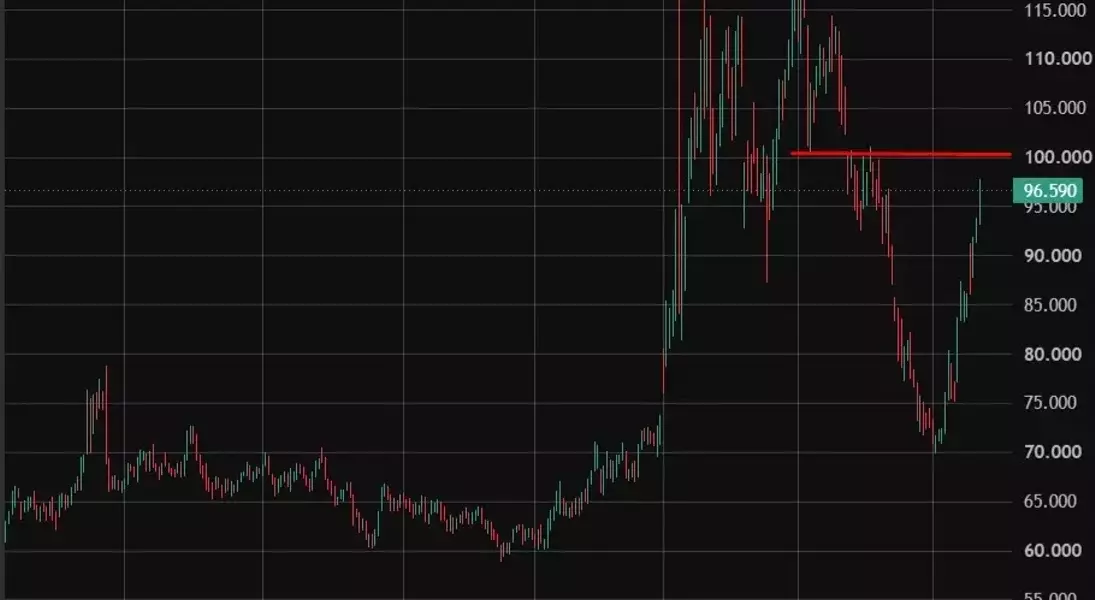
The upcoming OPEC+ meeting, scheduled for August 2, is expected to rubber-stamp an increase of approximately 188,000 barrels per day (bpd) in the collective output target for September. This aligns with the incremental adjustments seen in June, July, and August, signaling a methodical unwinding of previous voluntary production cuts. Key member nations such as Saudi Arabia, Russia, Iraq, Kuwait, Algeria, Kazakhstan, and Oman are reportedly on board with this decision. This consistency in policy emerges at a time when Brent crude experienced a 7% jump, surpassing 0 a barrel, following drone and missile attacks on Saudi tankers in the Red Sea by Houthi forces. This event effectively established a second critical bottleneck for oil transit, alongside the already volatile Strait of Hormuz.
The market's reaction, with West Texas Intermediate (WTI) also climbing over 6% to exceed , underscores the significant influence of geopolitical developments on oil valuations. Brent crude, in particular, has seen a nearly 40% rise over the last month. Despite these dramatic shifts, OPEC+'s approach has remained largely procedural. The organization has maintained its monthly quota increases without deviation since regional conflicts began, treating these adjustments as a pre-planned phase-out of earlier reductions, rather than a responsive mechanism to current price spikes or supply disruptions. This unyielding stance is largely attributable to the reality that several significant producers, including Saudi Arabia, Iraq, and Kuwait, have faced persistent limitations on their export capacities due to ongoing conflicts, meaning that announced increases on paper often do not translate into greater volumes of crude reaching global buyers.
The latest escalation in the Red Sea further exacerbates this disconnect between policy and practical impact. With navigation through the Bab el-Mandeb strait already experiencing severe disruptions and shipping routes being rerouted to avoid Saudi ports, any forthcoming quota hike in September is likely to be primarily symbolic. Its material effect on supply will remain negligible unless there is a substantial improvement in shipping conditions in the near future. Consequently, market participants are expected to direct their attention toward the evolving situation in the Red Sea rather than the technicalities of OPEC+'s upcoming announcements, viewing the August 2 meeting as a mere confirmation of existing plans rather than a platform for significant policy revisions.
The current market landscape is characterized by a notable divergence between OPEC+'s structured production increases and the volatile realities of global oil supply, heavily influenced by geopolitical events. While the group continues to adhere to a predetermined schedule for raising output, the actual flow of crude to the market remains constrained by regional conflicts and shipping hazards. This scenario maintains a tight physical market, rendering oil prices highly susceptible to security developments in critical maritime passages. For now, the focus of the global energy sector is firmly fixed on the evolving geopolitical environment rather than on the routine pronouncements from the oil producers' alliance.