Many contemporary smart televisions suffer from sluggish interfaces due to underpowered processors and limited memory. This common issue transforms simple navigation into a tedious task. Faced with this prevalent problem, one technology enthusiast embarked on a project to construct a custom media center, aiming to circumvent the performance bottlenecks inherent in off-the-shelf smart TV systems. The journey involved leveraging a Raspberry Pi 4, a compact and versatile single-board computer, to explore alternative operating systems and user experiences for home entertainment, ultimately revealing significant insights into the design priorities of modern TV platforms.
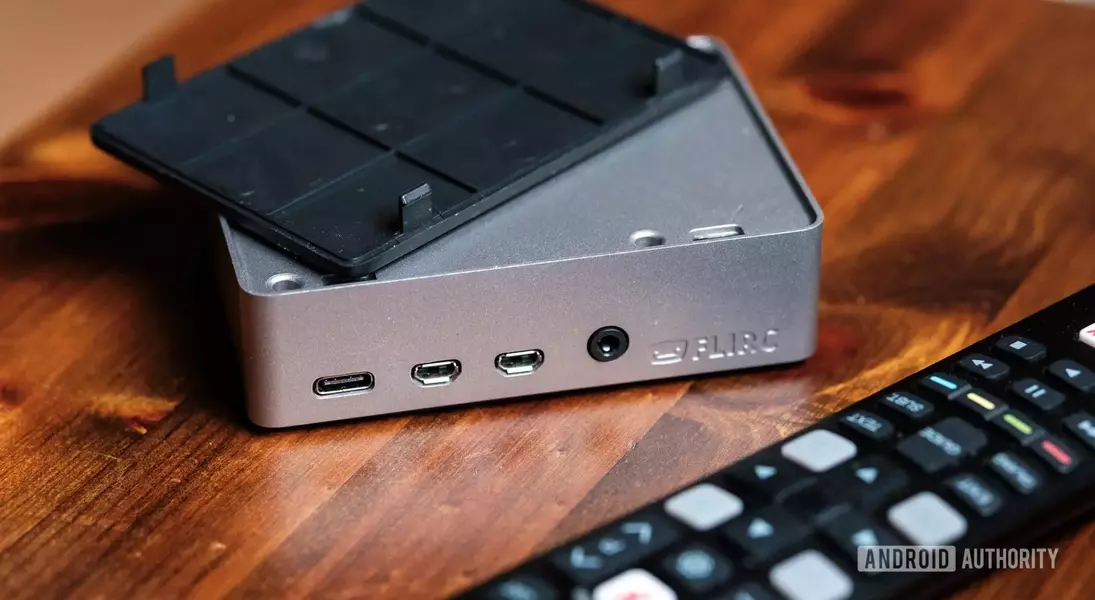
The initial motivation stemmed from the poor responsiveness of a smart TV running Google TV, attributed to its quad-core Cortex-A55 CPU and meager 1.5GB of RAM. Seeking a more fluid user experience, the individual turned to a dormant Raspberry Pi 4, recognized for its more robust specifications, including Cortex-A72 cores and up to 4GB of RAM, along with integrated 4K HDR decoding capabilities. This setup promised a substantial upgrade over the TV's native hardware. The process involved flashing a custom LineageOS Android TV build, specifically designed for the Raspberry Pi 4, onto a high-speed SSD to optimize performance and bypass the limitations of microSD cards.
Upon launching the customized system, the immediate difference was striking. The barebones Android TV interface, devoid of the flashy banner advertisements and cluttered layouts typical of Google TV, presented a refreshingly functional and streamlined experience. Applications launched rapidly, and navigation through menus was instantaneous, a stark contrast to the delays encountered on the conventional Google TV. This initial success underscored the efficiency of a simplified user interface, prioritizing accessibility and speed over visual complexity and promotional content.
However, the journey was not without its challenges. The custom Android TV setup lacked pre-installed Google services, necessitating manual installation of specific APKs for streaming platforms. While some services like Jellyfin and YouTube operated flawlessly, streaming platforms requiring more secure digital rights management, such as Amazon Prime Video, presented playback issues, possibly due to the absence of Widevine L1. Furthermore, 10-bit 4K content struggled to play smoothly, indicating limitations in the Raspberry Pi 4's hardware acceleration for certain video formats, though lower bitrate 4K and 1080p content performed well.
The critical turning point came with the integration of Google services. Opting first for a minimal Google Apps package to enable the Play Store and account synchronization, the system experienced a noticeable dip in performance. Menu navigation became less fluid, and app loading times increased. Undeterred, the enthusiast then installed the full Google Apps package, which included the comprehensive Google TV user interface. This decision proved detrimental. The Raspberry Pi quickly overheated, and the system's responsiveness plummeted, becoming agonizingly slow. Login processes were interrupted, and basic navigation became a frustrating ordeal, with frequent hangs and crashes. This stark contrast highlighted how the Google TV interface, with its heavy reliance on background services, advertisements, and data harvesting, overburdens even more capable hardware like the Raspberry Pi, turning a previously swift system into a sluggish one.
The experience unequivocally demonstrated that Google TV's current design, with its emphasis on integrated features and advertising, is poorly optimized for devices with modest hardware specifications, such as those found in many affordable smart TVs. The project led to the conclusion that for dedicated media consumption, stripped-down Linux-based alternatives like LibreELEC and OSMC, which are built around Kodi, offer a far superior experience. These platforms excel in local media playback and integration with personal media servers, providing smooth 4K HDR playback and instant responsiveness that Google TV struggles to match. The contrast underscored a fundamental issue: the growing disparity between the increasingly resource-intensive nature of smart TV operating systems and the limited capabilities of the hardware they run on. The drive for feature bloat and ad revenue appears to compromise the fundamental user experience, especially on budget-friendly devices.
In essence, this exploration into building a custom TV box illuminated the underlying issues plaguing contemporary smart television interfaces. The pursuit of a feature-rich, ad-supported ecosystem by companies like Google, while potentially lucrative, often comes at the expense of performance and user satisfaction on less powerful hardware. A streamlined, content-focused approach, as demonstrated by barebones Android TV or dedicated media server platforms, ultimately delivers a more responsive and enjoyable viewing experience, suggesting a critical re-evaluation of what a home entertainment platform truly needs to prioritize.