Crafting the perfect mac and cheese at home is an art that combines selecting the ideal ingredients with precise cooking techniques. This comprehensive guide, informed by years of culinary expertise, unveils the secrets to achieving a dish that transcends ordinary comfort food. From the initial choice of pasta to the final touches of seasoning and baking, every step is crucial in developing a rich, creamy, and deeply satisfying mac and cheese that can be tailored to individual tastes. The emphasis is on foundational principles, such as proper pasta texture and homemade sauce, which lay the groundwork for a truly exceptional culinary creation.
Ultimately, the objective is to empower home cooks to move beyond pre-packaged options and explore the boundless potential of homemade mac and cheese. By understanding how different elements interact—from the shape of the noodle to the nuances of cheese blend and the importance of baking—one can consistently produce a dish that delights the senses. The flexibility to experiment with diverse cheeses and inventive toppings further enhances the experience, transforming a classic into a versatile canvas for culinary creativity.
The Foundation: Pasta and Cheese Selection
Achieving the perfect mac and cheese begins with meticulous attention to its two core components: the pasta and the cheese. Opting for pasta shapes that boast ridges or curves, such as shells, cavatappi, or pipette rigate, is essential. These shapes are specifically designed to capture and hold the rich, creamy cheese sauce, ensuring every bite is enveloped in flavor. Furthermore, the pasta should be cooked to an al dente consistency, meaning it is firm to the bite yet tender. This particular doneness is critical because the pasta will continue to cook and absorb moisture from the cheese sauce during the baking process, preventing it from becoming mushy and ensuring an ideal texture.
When it comes to cheese, the quality and type make a significant difference. A blend of cheeses that melt smoothly and impart robust flavor is recommended. Semi-firm varieties like mozzarella or cheddar are excellent choices, offering a desirable melting quality without making the sauce watery. Conversely, high-moisture cheeses, such as fresh buffalo mozzarella or burrata, should be avoided as they can lead to a thin and clumpy sauce. For an added depth of flavor, incorporating aged, hard cheeses like Parmigiano Reggiano or Asiago can elevate the dish. Grating cheese by hand just before use is a vital step, as pre-shredded varieties often contain anti-caking agents that can hinder smooth melting and affect the sauce's texture.
Crafting the Perfect Sauce and Finishing Touches
The heart of any exceptional mac and cheese lies in its sauce, and preparing it from scratch allows for unparalleled richness and creaminess. The process typically begins with creating a roux, a simple yet fundamental thickening agent made from browned flour and melted butter. This step is crucial for developing flavor and ensuring the sauce has a silky consistency, as cooking the flour removes any raw taste. Following the roux, warm milk is gradually whisked in to form a smooth béchamel. This base then transforms into a luxurious cheese sauce as the selected cheeses are incorporated slowly, ensuring a uniform melt and preventing any grainy texture that can result from rapid melting.
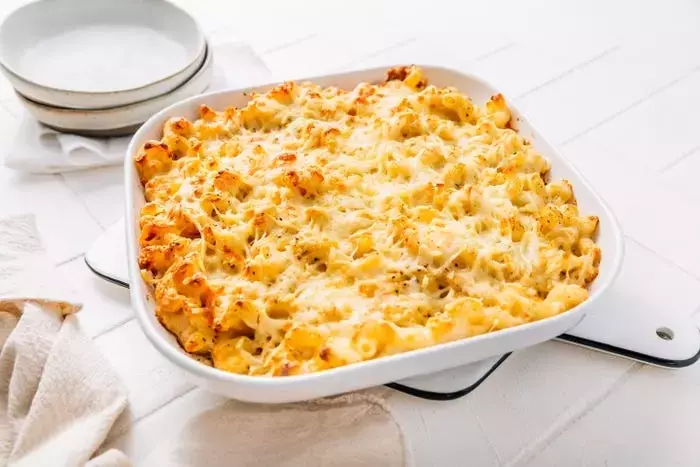
Once the creamy cheese sauce is ready and the pasta cooked, they are combined, allowing the noodles to fully absorb the rich flavors. At this stage, precise seasoning and adjustment are key; the dish should be tasted and seasoned carefully, remembering that some flavors will intensify during baking. Adding a small amount of reserved pasta water can help achieve the desired sauce consistency before transferring the mixture to a baking dish. The final and arguably most critical step is baking the mac and cheese. This transforms the dish, creating a golden, crispy top and edges while maintaining a gooey, molten interior. Creative toppings, such as seasoned breadcrumbs or crushed crackers, can be added during the last few minutes of baking to introduce a delightful textural contrast, or imaginative additions like pancetta or cauliflower bits can be stirred in for enhanced flavor and complexity, offering endless possibilities for customization.