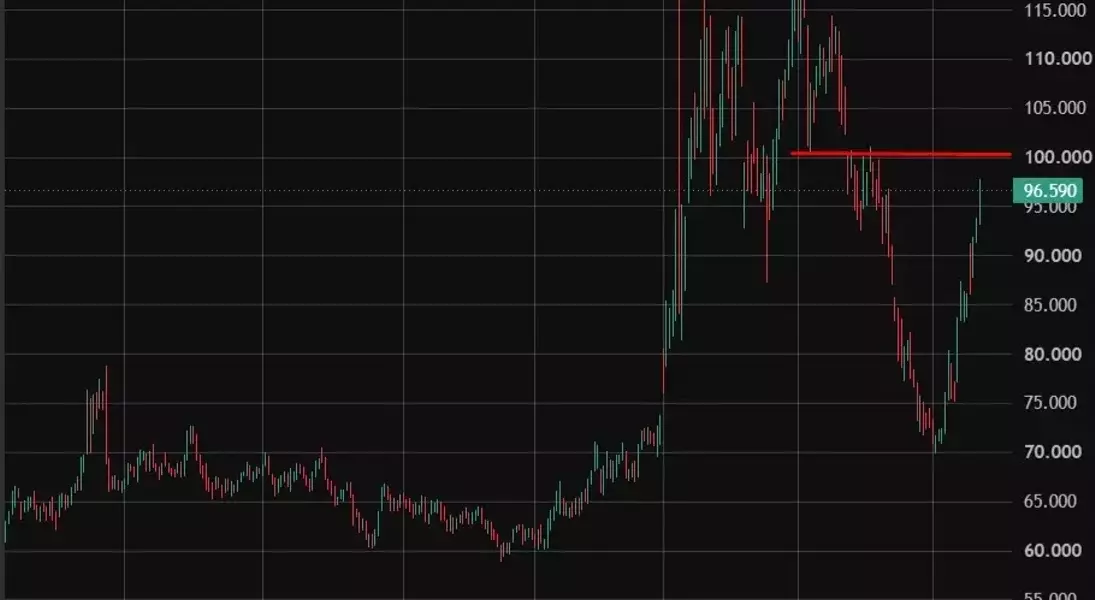
In a largely uneventful trading session, major global currencies are displaying limited fluctuations, reflecting a general atmosphere of cautious risk appetite. This muted performance marks the end of a week that saw currency traders attempting to regain ground lost after an earlier setback from weaker-than-expected U.S. ISM services data. Consequently, the U.S. dollar has continued its downward drift, with prevailing trends indicating further weakness for the greenback in the immediate future.
The current market stillness underscores a broader narrative where the U.S. dollar has consistently lost momentum, particularly following the disappointing employment figures released at the close of the previous week. This shift has established a bearish sentiment for the dollar across nearly all major currency pairings, with the notable exception of USD/CHF, where the Swiss franc has been impacted by new tariffs. This overall trend points towards a sustained depreciation of the dollar leading up to the release of next week's U.S. Consumer Price Index (CPI) report, an event that dollar advocates are eagerly anticipating for a potential market reversal.
An examination of key currency pairs illustrates this prevailing bias against the dollar. The EUR/USD pair has recorded a 0.6% gain this week, comfortably trading above its 100-hour and 200-hour moving averages, positioned at 1.1607 and 1.1552 respectively. Conversely, the USD/JPY pair has experienced a modest 0.1% decline over the week, remaining below its critical hourly moving averages of 147.34 (100-hour) and 148.17 (200-hour). The GBP/USD has shown robust performance, appreciating by 1.3% this week and maintaining its position above its 100-hour (1.3337) and 200-hour (1.3307) moving averages.
Further reinforcing this pattern, the USD/CHF pair, despite its exceptional upward movement of 0.5% this week, finds itself navigating between its 100-hour (0.8073) and 200-hour (0.8082) moving averages. The USD/CAD pair has decreased by 0.4% this week, trading beneath its 100-hour (1.3761) and 200-hour (1.3783) moving averages. Both the AUD/USD and NZD/USD pairs have registered significant gains, with AUD/USD climbing 1.0% and NZD/USD advancing 0.9% this week, both holding firm above their respective key hourly moving averages. These consistent movements across various pairs solidify the current unfavorable outlook for the dollar, suggesting this trajectory will likely persist until the highly anticipated U.S. CPI data provides new impetus to the market.
The overall tranquil environment in the foreign exchange markets, characterized by minimal price changes, primarily reflects the ongoing loss of momentum for the U.S. dollar. This persistent weakening trend, evident in the performance of most major currency pairs, sets the stage for next week's crucial U.S. CPI report, which is expected to be a pivotal moment for currency traders seeking a directional shift for the dollar.